

The Simple Inspection Habit Behind Profitable Fleets
In the transport business, breakdowns are often treated as normal. A vehicle stops on the road, the driver calls, work gets delayed, and the owner starts firefighting. For many fleet owners, this has become routine.
But fleets that run smoothly and stay profitable don’t work like this. They don’t wait for vehicles to fail. They don’t depend on memory or verbal checks. They use structured vehicle inspection supported by a proper fleet management system.
The difference is simple but powerful: they fix vehicles before they break.
This page explains why vehicle inspection matters so much today, how profitable fleets handle inspections, and why many fleet owners eventually realise the need for a reliable fleet management software to control inspections, safety, and downtime.
Key takeaways
- A Fleet Driver Inspection Checklist helps find safety and maintenance issues early.
- Daily pre-trip inspections ensure vehicles are road-ready.
- End of day inspections capture problems created during operations
- Photo proof improves accuracy and avoids disputes
- Digital inspections using a fleet app work better than paper
- Fleet safety starts with the driver and one daily habit done properly
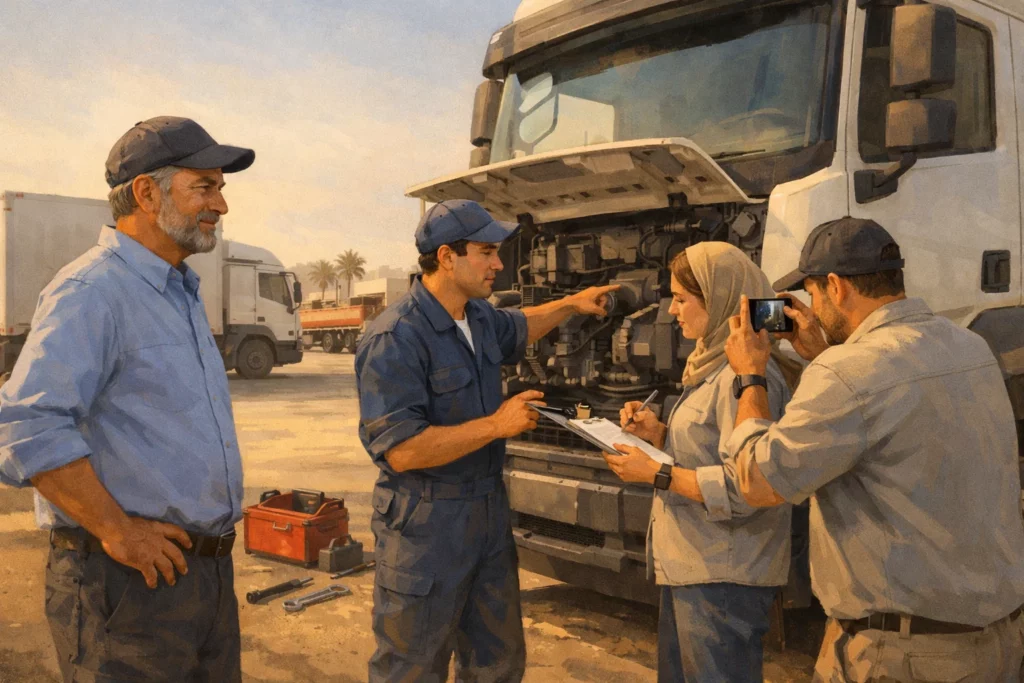
Why breakdowns are not really sudden
Vehicles do not fail suddenly.
Tyres wear slowly.
Brakes lose strength step by step.
Steering gives small warning signs.
Leaks start small before becoming serious.
But when fleet operations are busy, these signs are ignored. Vehicles are sent out because “it is still running”. Inspections are skipped or rushed. Problems are not recorded.
Later, the same small issue becomes a roadside breakdown. This is why experienced fleet owners say: Most breakdowns are delayed inspection problems.
The hidden cost of weak inspection
Inspection problems don’t show immediate damage. They affect operations quietly. Emergency repairs cost more than planned maintenance. Breakdowns delay jobs and strain customer relationships. Vehicles stay off-road longer than expected. Owners and managers spend time reacting instead of planning.
Over time, stress increases even when business volume is good. Money comes in, but control feels missing.
Profitable fleets understand one thing clearly:
Inspection is not an extra cost, it is protection.
Why inspection fails in most fleets
Almost every fleet says, “Yes, we do inspection.” Inspection often depends on:
- A quick look
- Driver saying “all okay”
- No written or photo proof
- No inspection history
This works only for a short time. As fleet size grows, this system breaks. The same vehicle keeps failing again and again. Maintenance costs increase, but vehicle reliability does not.
Profitable fleets move away from memory-based inspection and move towards fleet inspection software that ensures inspections are done the same way every day.
Inspection is about visibility, not paperwork
Many owners assume inspection means more paperwork. In reality, good inspection is about clarity.
Owners need to know:
- Was the vehicle checked?
- What issue was found?
- Is the same issue repeating?
When inspection provides clear answers, decisions become easier. Maintenance is planned. Breakdowns are reduced.
This is why structured, repeatable inspection becomes essential as fleets grow.
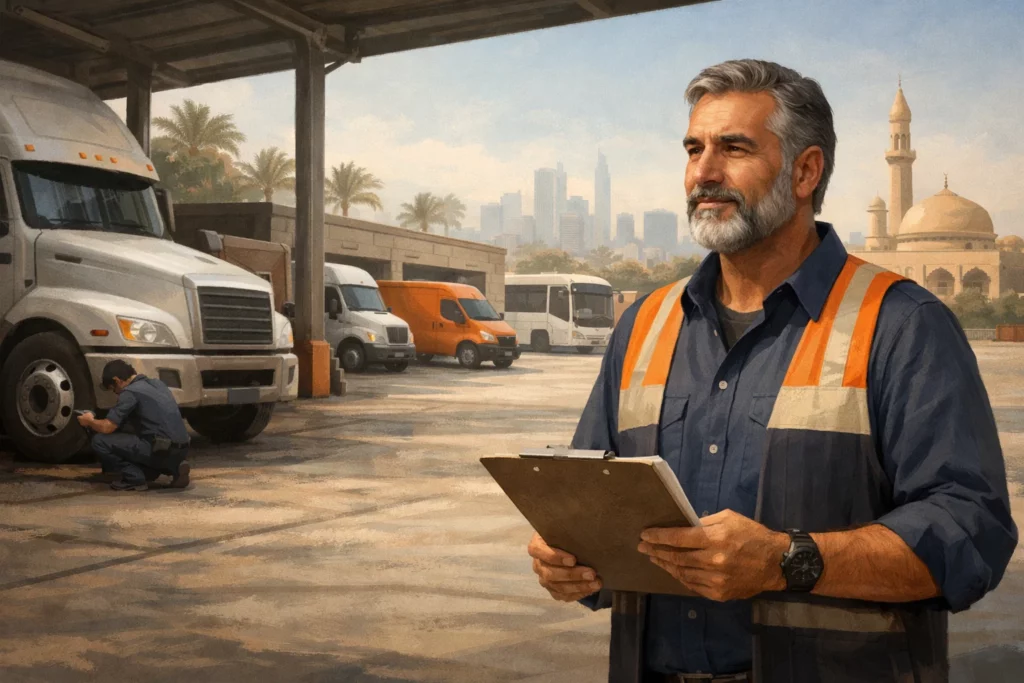
Why profitable fleets think differently
Profitable fleets don’t inspect vehicles because they are told to. They inspect because they want fewer surprises.
They understand that roadside issues damage reputation, disrupt schedules, and increase stress. Inspection gives them predictability and predictability is what keeps a fleet business stable.
Where structure becomes unavoidable
As fleet size increases, verbal updates stop working. Paper slips get lost. Patterns remain invisible.
At this stage, inspection discipline needs structure to survive. This is why many fleets move toward digital inspection workflows that make consistency easier without adding pressure.
About this page:
This page is created by the TransportSimple team.
The insights shared here come from real conversations with fleet owners, transport managers, and drivers who deal with daily challenges like breakdowns, missed inspections, and operational pressure. Over time, we’ve spoken with 100+ fleet owners across different countries and fleet sizes, and one thing is clear the problems may look small at first, but they repeat everywhere.
These blogs are written by observing patterns from those real experiences: where necessary actions get skipped, where issues go unnoticed, and what disciplined fleets do differently to stay in control. The aim is not to give theory, but to share practical thinking that actually works on the ground.
This same learning process shapes how TransportSimple is built, by listening closely to fleet teams and quietly supporting better inspection, maintenance, and control without adding complexity.
At the end of the day, these blogs are written with a clear purpose: to help fleet owners reduce daily firefighting and build operations that are stable, organised, and easier to manage – by recognising issues early and resolving them before they affect safety, uptime, or business continuity.

Leave a Reply