
As a business owner or manager, maximizing the productivity of your drivers is crucial. It helps in maintaining operational efficiency and ensuring customer satisfaction. However, achieving optimal driver performance requires more than just setting goals and expecting results. By focusing on key performance indicators (KPIs), you can gain valuable insights into your drivers’ performance. Take actionable steps to enhance their productivity with applications like Employe App by TransportSimple.

Through a combination of effective tracking, clear goals, and targeted improvements, you can create a culture of productivity that drives your business forward. So, let’s explore these essential KPIs and discover how they can lead to increased driver productivity, cost savings, and overall operational success.
Entry and Exit Timings:
Tracking your drivers’ entry and exit timings provides insights into their punctuality and time management. Monitoring this KPI helps you identify any delays that may impact productivity. By setting clear expectations and rewarding punctuality, you can ensure optimal performance.
KPI: On-time entry and exit.
Expense Management:
Managing expenses is essential to maintain profitability. Tracking the expenses incurred by drivers helps identify any inefficiencies or unnecessary spending. Encourage drivers to adopt cost-effective practices and provide them with the necessary tools to track and report their expenses accurately.
KPI: Cost per trip or cost per mile.
Route Optimization:
Efficient route planning is crucial for timely deliveries and achieve fuel efficiency. By monitoring the routes taken by drivers, you can identify any detour or inefficient paths. Utilize route optimization software and provide drivers with real-time traffic updates to enhance their decision-making.
KPI: Average route deviation or fuel consumption per route.
Compliance with Checklists:
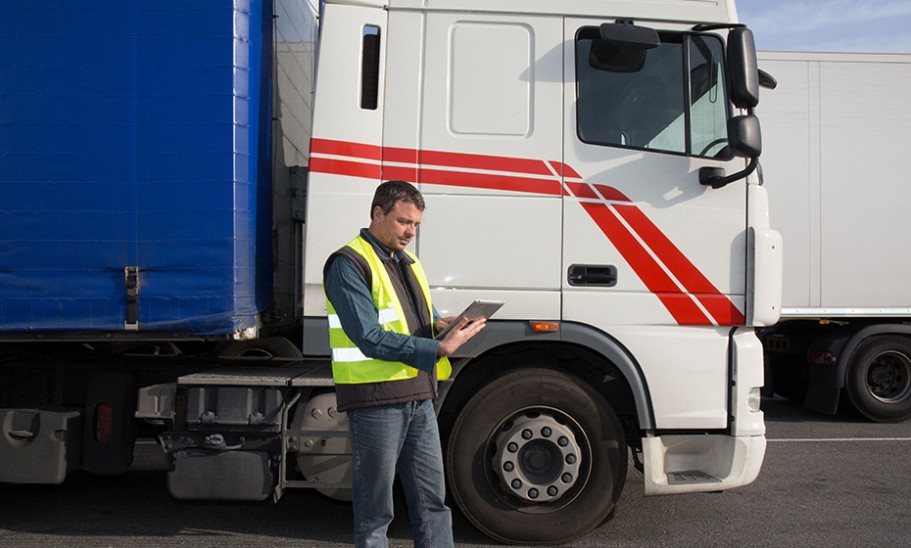
Clear checklists help drivers perform their tasks consistently and efficiently. Regularly monitor if drivers are completing their checklists. It helps ensure adherence to safety protocols, maintenance requirements, and other operational standards. Offer training and support to address any gaps in checklist consent.
KPI: Checklist completion rate.
Efficient Task Management:
Timely task completion is essential for productivity. Help your drivers prioritize their tasks and provide them with tools for efficient task management. Utilize technology such as mobile applications or dispatching systems to assign tasks, set deadlines, and track progress.
KPI: Task completion rate within the assigned time frame.
Rash Driving Alerts:
Unsafe driving practices not only harm lives but also impact fuel efficiency and vehicle maintenance costs. Implement a system that alerts you to instances of rash driving, sudden braking, or aggressive driving. By addressing these behaviors promptly, you can promote safe driving habits and improve productivity.
KPI: Number of rash driving incidents.
Mileage Tracking:
Monitoring mileage provides insights into fuel efficiency and vehicle utilization. Encourage drivers to track their mileage accurately and analyze the data to identify areas for improvement. Offer incentives for fuel-efficient driving and provide feedback to drivers on their mileage performance.
KPI: Average mileage per trip or fuel consumption per mile.

Maximize Driver Productivity
Maximizing driver productivity is crucial for the success of your business. By tracking these key performance indicators (KPIs) you can ensure optimal performance. Utilize technology, provide training and support, and reward positive behavior to empower your drivers and enhance their productivity. Remember, driver productivity directly impacts customer satisfaction and overall business profitability.
Also Read:
-
Dispatch Delays: The Hidden Reason Trucks Stay Idle
■ Key Takeaways ● Dispatch delays are one of the most common reasons fleets stay idle in fleet operations. ● When dispatch teams cannot quickly identify available vehicles, fleets remain parked between trips. ● Manual coordination through calls, spreadsheets, or messaging apps slows down trip allocation. ● Tracking fleet performance metrics and transport KPI tracking…
-
Fleet Uptime vs Downtime: The Essential KPI Guide for Improving Fleet Performance
■ Key Takeaways ● Fleet uptime means vehicles are operational and ready for trips. Fleet downtime means vehicles are unavailable due to maintenance, breakdowns, or operational delays. ● Planned downtime such as servicing and inspections is necessary. Unplanned downtime is the real performance killer. ● Key fleet KPIs to track: uptime rate, downtime percentage, MTBF,…
-
How Poor Workshop Inventory Management Leads to Vehicle Downtime
■ Key Takeaways ● Poor workshop inventory management is a major contributor to vehicle downtime in fleet operations. ● Without a structured spare parts inventory system, workshops struggle to complete routine maintenance on time. ● Manual tracking of workshop inventory leads to delays in repairs and inefficient fleet maintenance workflows. ● Lack of spare parts…



Leave a Reply